The Reindeer Weren’t Always Santa’s
And they’re still not, but their environment and herders are under attack
By Fiona Burton ‘23
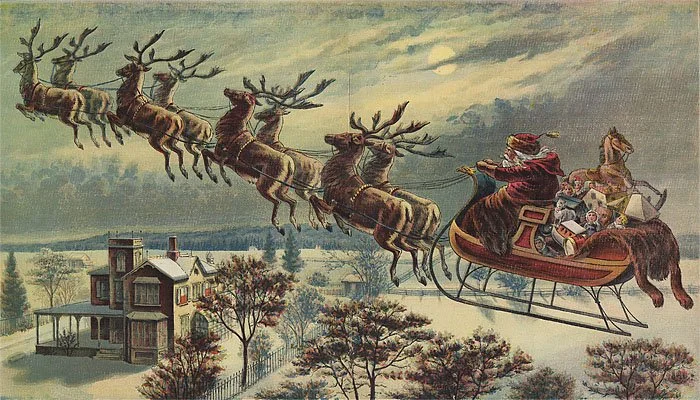
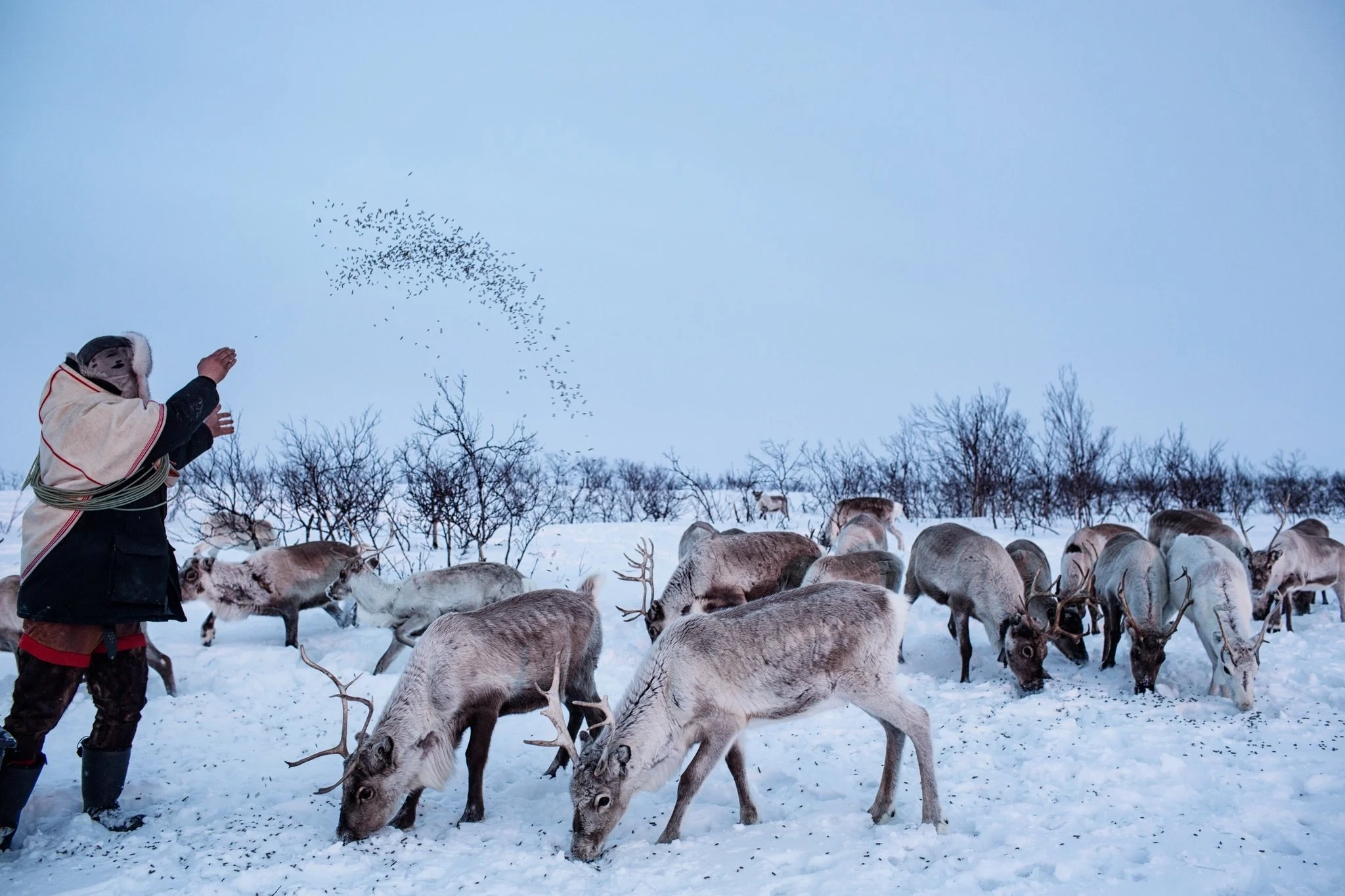
Reindeer are everywhere. They’re on chocolate wrappers, in the movies, and in a deflated lump on your neighbor’s lawn long past the end of the holiday season. You simply cannot get through winter without seeing reindeer. However, before reindeer became widely associated with Christmas in the mid-19th century poem “The Night Before Christmas” (there is a dispute over who wrote the poem between authors Clement Clarke Moore or Henry Livingston Jr.), reindeer had been domesticated for over 3,000 years by the Sámi, an Indigenous group in Northern Europe. The Sámi have a population within the range of 50,000 to 100,000 people in Norway, Sweden, Finland, Russia, and Ukraine. The Sámi have herded reindeer for thousands of years and use reindeer for sources of hides and meat. The Sámi are governed by the Sámi Parliaments of Finland, Sweden, and Norway. These parliaments seek to protect the culture of the Sámi and promote Indigenous recognition within the international community, specifically through the United Nations. In recent decades, controversy has arisen over land rights. Sámi land has been used for infrastructure and resource extraction.
Last March, Beowulf Mining, a mining company headquartered in London that carries out projects in Sweden, Finland, and Kosovo, gained permission from the Swedish government to build an iron mine on land occupied by the Sámi, specifically the Jåhkågaska tjiellde, or “the Sámi community between the rivers.” This is just one example of Sámi land being industrialized in the modern world. Before the mining project was approved, the Sámi parliament warned the Swedish government that approval of the mine would lead to disrupted reindeer migration routes and contribute to the ever increasing threat of climate change. In early 2023, a meeting will take place between Beowulf Mining and representatives from the Jåhkågaska tjiellde community in hopes of attaining an environmental resolution. In the meantime, 19-year old Swedish environmental activist, Greta Thunberg took to social media on November 22nd to express support for the Jåhkågaska tjiellde community and announce a charity to support efforts to fight against the iron mine. The charity has raised upwards of £158,000 and can be found here.